
“Your claim has been rejected.”
- “The first thing to remember?”
Few messages feel more frustrating than those five words. You've paid premiums on time. You followed the process. You submitted the documents. Then, when you finally need support, your insurance claim is rejected.
For many policyholders, this isn't just about paperwork. It can mean unexpected expenses, financial pressure and a lot of unanswered questions. A rejected claim doesn't always mean the matter is over.
Why Are Insurance Claims Rejected?
Insurance companies review every claim against policy terms, exclusions, disclosures and supporting documents. Sometimes a rejection is based on a genuine policy condition. Sometimes it comes down to missing information, documentation issues or a disagreement over how the policy should be interpreted.
This is why understanding why a claim was rejected is often more important than the rejection itself.
Before You Panic, Do These Three Things
1. Read the Rejection Letter Carefully
Most people skim through it looking only for the final decision. Instead, focus on the insurer's reasoning.
Small details often determine the next course of action.
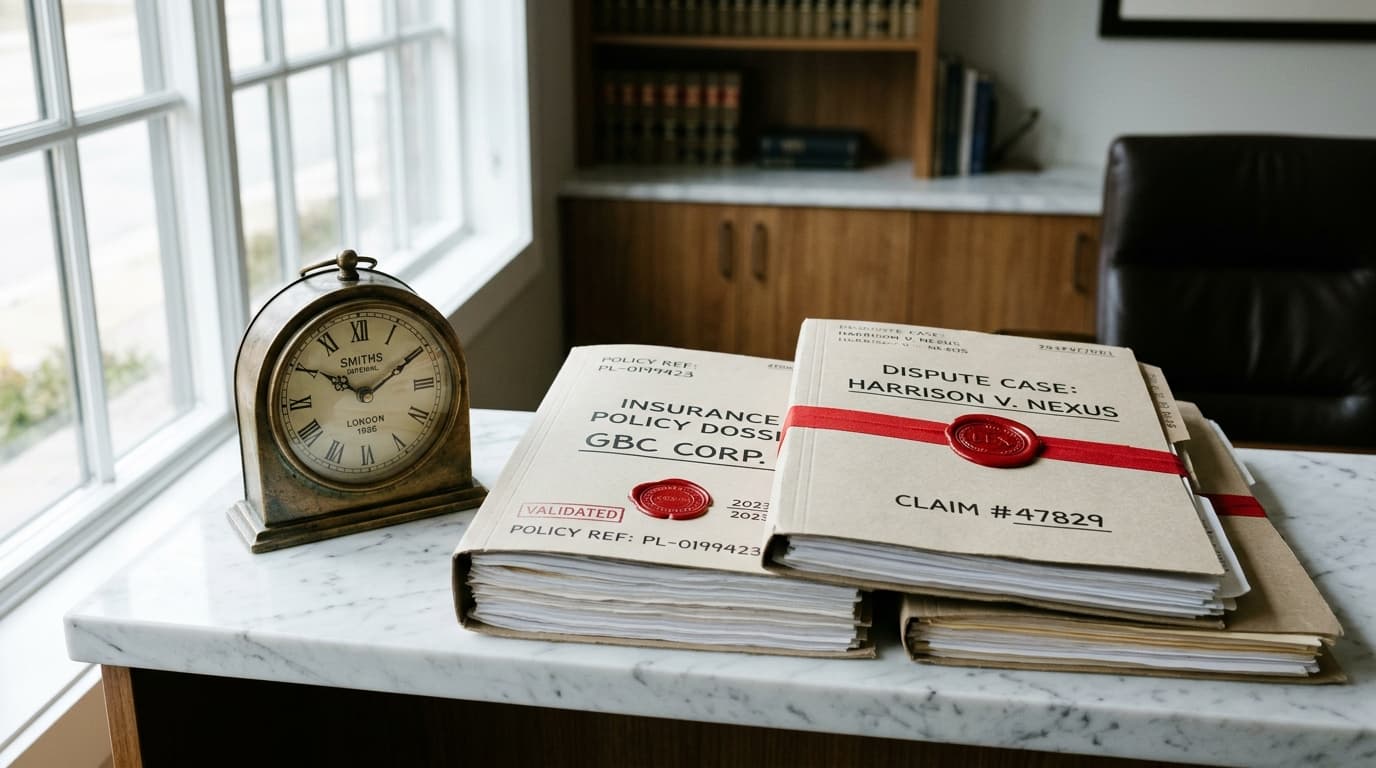
2. Organise Every Relevant Document
Gather:
Think of documentation as the foundation of any claim dispute. Without it, even valid concerns become difficult to establish.
3. Understand Your Options
Depending on the circumstances, policyholders may have access to grievance mechanisms, internal reviews, dispute resolution processes or other remedies. The key is understanding which option is appropriate for your situation.
The Biggest Mistake Policyholders Make
Many people assume a rejection automatically ends the process. As a result, deadlines pass, documents get misplaced and opportunities to pursue the matter become more difficult. Taking informed action early often creates more options than waiting months to respond.
Every Claim Has a Story
Behind every claim file is a person, a family or a business trying to recover from a difficult situation. Whether it's a health emergency, property loss or financial setback, insurance is meant to provide protection when it matters most. Understanding your rights and responsibilities is the first step toward navigating an insurance dispute more effectively.